March 3, 2026
Septic systems are an integral component for many households, especially in rural areas without access to centralized sewer systems. The role of septic contractors is crucial in maintaining the efficiency and longevity of septic systems. Professionals employ various techniques and practices for waste systems to remain functional and problem-free.
Septic System Basics
Septic systems function as individual sewage treatment plants, managing and disposing of wastewater from a home. Their primary components include the septic tank, drain field, and soil absorption system. The tank serves as a container where waste separation and partial decomposition occur, allowing settled solids to be digested by bacteria. Drain fields, composed of perforated pipes, then distribute the remaining liquid into the soil for natural purification.
The overall functionality and design of a septic system are based on the principles of gravity and biological processes. As waste enters the septic tank, solid particles settle at the bottom while oils and grease float to the top. Bacterial action helps break down organic components, turning them into sludge that requires periodical removal. Understanding how your system processes waste can help you recognize early signs of trouble and determine when professional intervention is necessary.
Among the common types of septic systems are conventional systems, chamber systems, and drip distribution systems, each with unique functionalities. Conventional systems typically feature a gravel-filled trench, while chamber systems use a series of connected domed structures to enhance filtration. Drip distribution systems provide flexibility but require pumps to pressurize the distribution. Each system offers varied benefits and limitations, which is why selecting the right one is vital.
Routine Maintenance Services
Regular inspections are critical for the smooth operation of your septic system. During these inspections, septic contractors check crucial components like the septic tank, filters, and distribution lines to determine the subtle signs of wear. According to the U.S. Environmental Protection Agency, it is recommended to pump your tank every three to five years. This regular will help prevent backups and keep systems efficient.
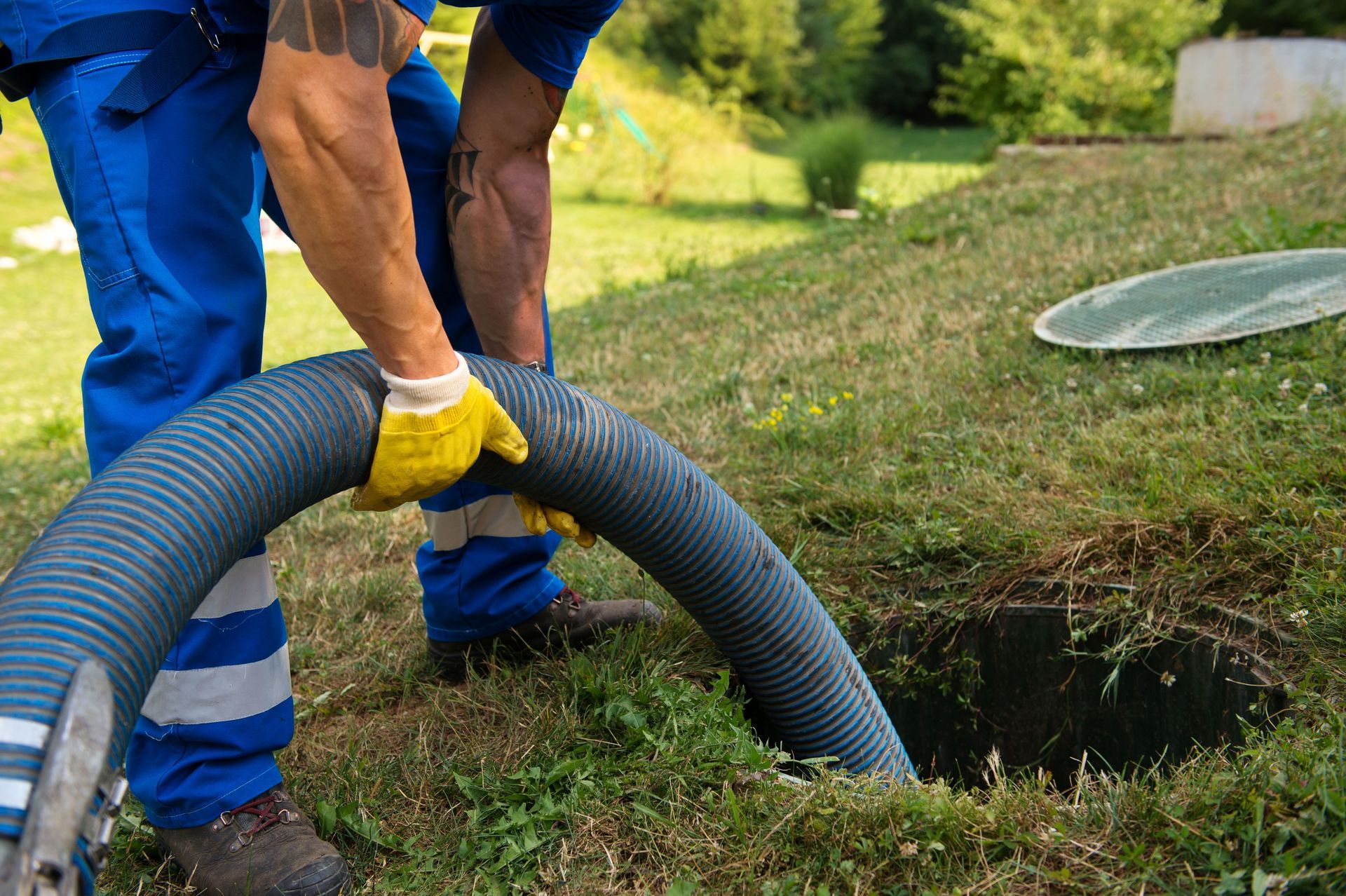
Pumping and cleaning are fundamental aspects of septic maintenance, proving vital to the system's health. The septic tank operates by settling solids, which eventually decompose but must be periodically removed to prevent overflow. Technicians use specialized equipment to safely pump the tank so contaminants do not escape into the environment. Cleaning also includes removing any material buildup or blockages in the inlet and outlet pipes.
Clearing blockages and clogs is another essential service, often arising from improper waste disposal or foreign object introduction. Clogs primarily occur in pipes or the tank itself, leading to inefficient waste dispersion and potential backups. Contractors use various methods, like hydrojetting or mechanical snakes, to clear obstructions effectively. Beyond physical removal, professionals advise homeowners on best waste disposal practices, minimizing future blockages.
Repair and Emergency Services
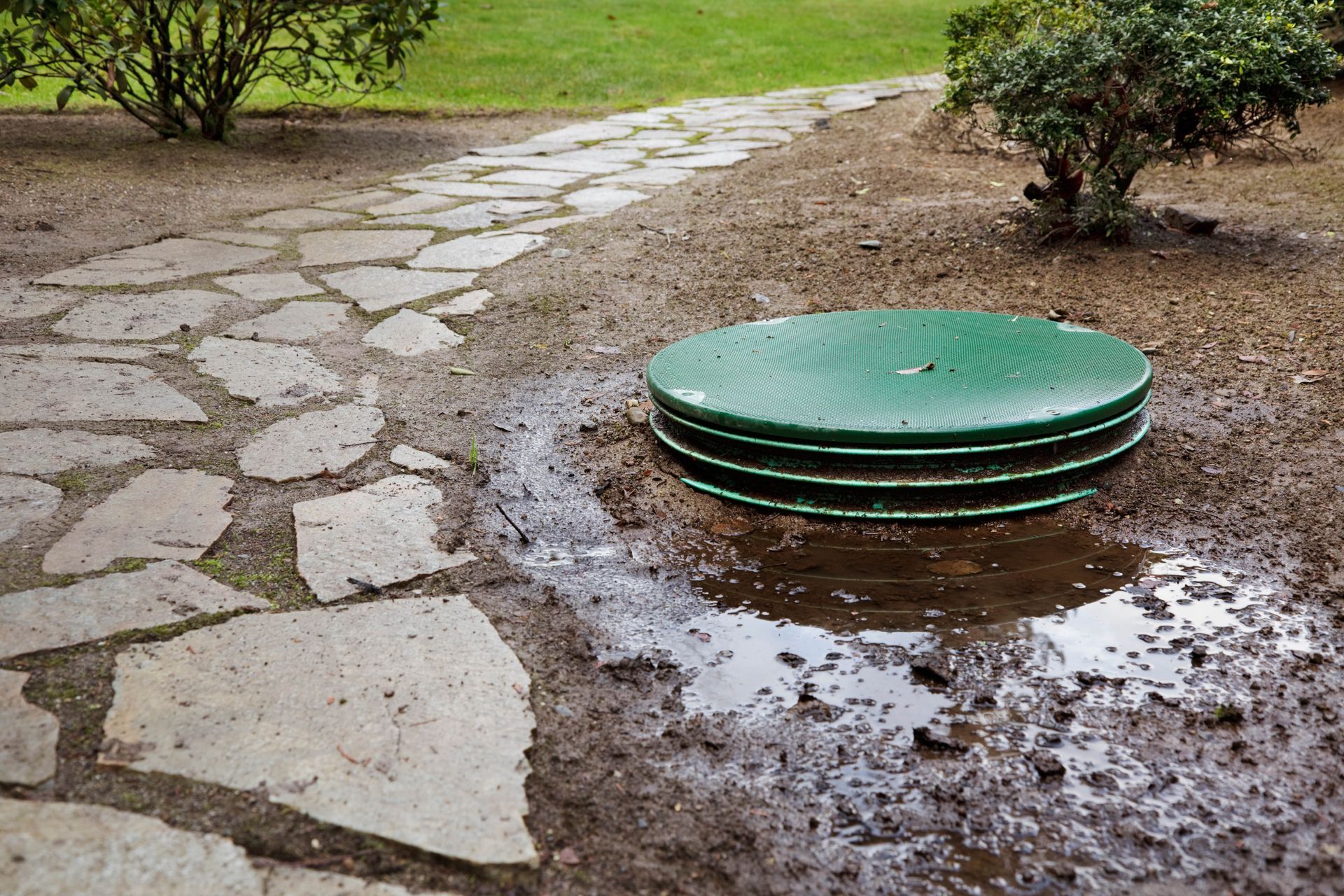
Identifying signs of system failures is paramount for timely repairs and avoiding extensive damage. Common indicators include sewage odors, slow drains, or pooling water above the drain field, all requiring immediate attention. Contractors conduct thorough diagnostics to locate and assess the issue, using advanced tools to pinpoint the cause accurately. Early detection and professional repairs can save homeowners from more significant downtime or costly replacements.
Repairing pipe damage is a regular task for septic contractors, often stemming from blockages, tree root intrusion, or aging materials. Damaged pipes can result in leaks, causing contamination and inefficient wastewater handling. Contractors repair or replace compromised sections of piping for an airtight and watertight seal. Trenchless repair options have gained popularity, providing minimal disruption to landscapes while efficiently restoring pipe functionality.
Drain field failures are problematic, often arising from soil compaction or excessive wastewater demand. Contractors assess conditions and determine whether replacement, aeration, or bioremediation methods are necessary. When emergencies arise, such as sudden breakdowns or overflows, responsive septic services become critical. Professional septic contractors prioritize quick response and resolution, minimizing potential damage and restoring systems to optimal operation.
Innovations in Septic Technology
Advanced septic system designs are continuously evolving to meet modern waste management needs. These designs incorporate features like aerobic treatment units, mound systems, or recirculating sand filters to optimize treatment efficiency. These innovations provide increased reliability and are better suited to varying soil conditions or environmental constraints. Homeowners benefit from these advanced systems, knowing they address both practical and ecological requirements.
Eco-friendly solutions have emerged as an essential consideration in septic technology, emphasizing sustainability. From solar-powered pumps that utilize renewable energy to biodegradable additives promoting waste breakdown, such innovations reduce environmental impact. Technologies focused on conserving water or optimizing waste treatment provide not only direct environmental benefits but can also result in cost savings for homeowners.
Technological tools for monitoring septic systems offer invaluable insight into system health and performance. Remote monitoring devices allow septic contractors and homeowners to track system parameters such as water usage, tank levels, and system alarms, all from a distance. These tools facilitate preventive maintenance, reducing the likelihood of unexpected issues. Improved waste breakdown techniques via enhanced bacteria formulations or chemical treatments further aid in maintaining system efficiency.
Certification and Training for Contractors
Becoming a licensed septic contractor requires adherence to industry standards and regulations. Prospective contractors must understand building codes, safety requirements, and environmental regulations. State-specific licensing provides contractors with a thorough understanding of local soil conditions, regulations, and septic technology. Licensing exams assess technical knowledge, so only qualified individuals perform installations or repairs.
Training programs and workshops provide essential skills, from entry-level training to advanced certifications in specialized techniques. These programs cover practical skills along with theoretical knowledge so septic contractors can proficiently manage system challenges. Workshops by industry associations offer insights into new technologies, techniques, and regulatory changes.
Certification processes give contractors a higher skill level and updated knowledge on emerging challenges and solutions. Certification often requires completion of specified coursework, tested assessments, and ongoing study requirements. Contractors earn credibility and professional recognition by holding certifications, verifying their adherence to industry standards. Many certifications require renewal through continued education, reflecting changes in technologies and methodologies.
Best Practices for Homeowners
Homeowners should understand their septic system's configuration, limitations, and required maintenance. Familiarity with components like the septic tank, drain field, and monitoring alarms enables timely identification of potential issues. Knowing the timeline for regular maintenance, such as tank pumping every three to five years, helps preserve system health. Engaged homeowners are more adept at preventive care and responding to emerging concerns.
Proper waste disposal methods remain integral to sustaining a healthy septic system and avoiding costly repairs. Homeowners must avoid introducing hazardous substances, bulky waste, or non-biodegradable items into the system. Utilizing environmentally friendly cleaning products minimizes potential system stress and environmental harm. Educating household members on best practices for waste disposal further reduces risks of blockages and system failures and prevents minor issues from escalating.
Tips for reducing system strain include conserving water, distributing washing tasks, and maintaining a balanced biological environment within the tank. Reducing water usage lessens the burden on the drain field and reduces the risk of saturation. Staggering the use of water-intensive appliances or fixtures eases the load on the septic system, preventing overload. Homeowners can add natural septic tank enhancers to support healthy bacteria populations.
Septic contractors play an essential role in the upkeep and functionality of waste systems. By understanding these processes and collaborating with professionals, homeowners will keep their septic systems efficient and lasting. The synergy between informed homeowners and qualified contractors fosters a proactive approach to waste management, safeguarding both home value and environmental integrity. Contact Custom Septic, Inc today to schedule expert septic system services, including inspections, installations, repairs, and maintenance for your property.